Tree Removal Wilmington DE: Complete Guide to Costs and Safety
Maintaining the structural integrity and aesthetic value of a landscape requires a proactive approach to arboreal management, particularly in the diverse climates of the Mid-Atlantic region. For homeowners and property managers, understanding the nuances of tree care is not merely about aesthetics; it is a critical component of property safety and long-term value retention. From routine pruning to the complex requirements of Tree Removal Wilmington DE, the intersection of biological health and structural engineering remains paramount. When a tree becomes a liability due to disease, storm damage, or proximity to infrastructure, specialized intervention becomes necessary to mitigate risks to residents and physical assets. This comprehensive guide explores the essential factors involved in professional tree management, focusing on the tactical and financial considerations relevant to the local landscape.
Identifying Crucial Indicators for Tree Extraction
Determining when a specimen has transitioned from a landscape asset to a significant hazard involves a multifaceted assessment of its biological and structural health. One of the primary signs that a tree needs to be removed in Wilmington, DE, is the presence of deep, vertical cracks in the trunk or the appearance of hollow cavities, which suggest internal decay that compromises the tree’s stability. Furthermore, crown dieback—characterized by dead branches at the very top of the canopy—often indicates root girdling or advanced soil-borne pathogens. If a tree leans significantly or shows upheaval in the soil at its base, the risk of a sudden fall increases dramatically. In these instances, the situation often escalates to a point where Tree Removal Wilmington DE is the only viable solution to protect the surrounding structures.
Beyond physical decay, the location of the tree plays a vital role in the decision-making process. Trees that have grown too close to power lines, or those whose root systems are encroaching upon foundations and sewer lines, may require removal regardless of their health. Invasive species or those suffering from untreatable infestations, such as the emerald ash borer, also necessitate prompt extraction to prevent the spread of pests to neighboring foliage. Recognizing these symptoms early allows property owners to transition from reactive maintenance to a planned strategy, ensuring that the process is handled safely before a catastrophic failure occurs during a weather event.
Navigating the Financial and Regulatory Landscape of Tree Care
One of the most frequent inquiries from property owners involves the budgetary requirements for professional intervention. The average tree removal cost is influenced by several variables, including the height of the tree, its diameter, and the complexity of the surrounding environment. For example, a large oak situated between two residential buildings will require more specialized rigging and labor than a similar tree in an open field, naturally increasing the price. In the local market, homeowners often ask how much does tree removal cost in Wilmington, DE, and typically find that prices range significantly based on equipment needs, such as aerial lifts or cranes, and the subsequent labor for stump grinding and debris hauling.
In addition to financial planning, understanding the legal framework is essential for compliance. Many residents wonder, “Do I need a permit for tree removal in Wilmington, DE?” and the answer often depends on the specific zoning and the status of the tree. Municipalities frequently have ordinances protecting “heritage” or “significant” trees, requiring a formal application and sometimes an arborist’s report before work can commence. Working with a professional service ensures that these bureaucratic hurdles are navigated correctly, preventing potential fines. A legitimate service provider will offer a transparent, written proposal that outlines these costs and helps the client understand the regulatory requirements of their specific municipality.
Professional Standards and the Timeline for Site Safety
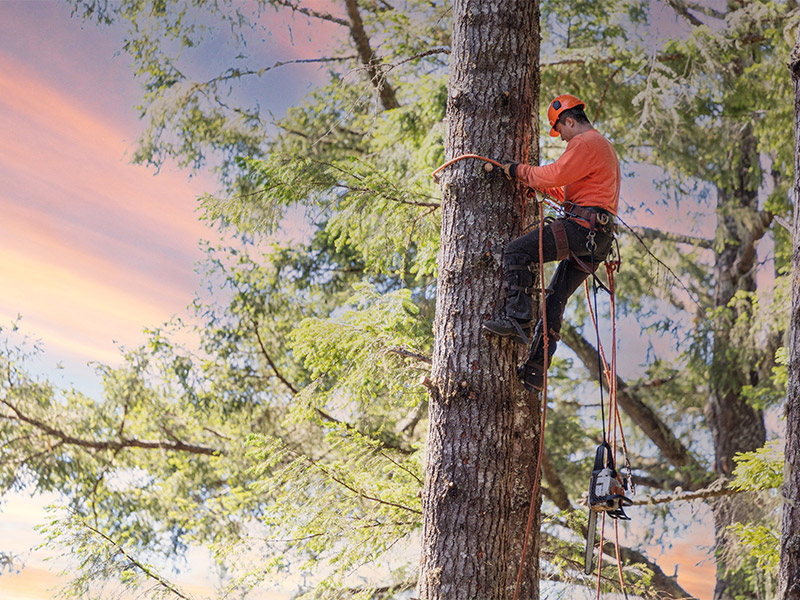
Executing a large-scale extraction is a high-stakes operation that demands precision and adherence to rigorous safety standards. When selecting a provider, what you should look for in a tree removal service in Wilmington, DE, includes ISA certification, comprehensive liability insurance, and a commitment to modern climbing and rigging techniques. Professionalism is marked by the use of yard-friendly equipment that minimizes impact on the turf and the avoidance of tree-spiking, which is detrimental to trees intended to remain on the property. These standards ensure that the work is performed without compromising the safety of the crew or the integrity of the client’s home.
The logistical execution also raises questions regarding efficiency and duration. Many property owners ask how long does professional tree removal take in Wilmington, DE, once the crew arrives on-site. While a small tree can be removed in a matter of hours, a complex, large-scale project involving heavy rigging or crane assistance may span one or even two full days. This timeline includes the initial setup, the methodical dismantling of the canopy, trunk sectioning, and the final cleanup. Efficiency in this process is a hallmark of an experienced team, as they must balance the speed of the operation with the precision required to avoid damaging fences, landscaping, or utility lines.
Strategic Response and Integrated Landscape Management
The necessity for professional intervention often arrives unexpectedly following severe weather patterns. High winds and ice storms can transform a healthy canopy into a web of broken limbs and leaning trunks, necessitating emergency tree removal to clear driveways or secure roofs. These urgent situations highlight the importance of having a relationship with a full-service provider that offers 24/7 response. However, the goal of modern arboriculture is to move toward a model of plant health care where regular inspections, fertilization, and cabling reduce the likelihood of emergency failures. By integrating soil management and risk assessments into a yearly schedule, property owners can extend the life of their trees and plan for Tree Removal Wilmington DE as a controlled, non-emergency event.
Synthesizing Safety and Value in Modern Tree Services
Ultimately, the management of a property’s forest cover is a balance between preserving natural beauty and ensuring physical safety. By recognizing the biological signs of distress and understanding the various factors that influence the tree removal cost, property owners can make informed decisions that benefit their entire landscape. Whether managing a single residential lot or a large commercial estate, the integration of professional risk assessment, regulatory compliance, and high-safety standards forms the foundation of responsible arboriculture. Engaging with certified experts ensures that every step—from the initial consultation to the final stump grinding—is executed with a focus on long-term sustainability and the protection of the property’s structural assets. Navigating these complexities with a data-driven and safety-oriented mindset ensures a resilient and aesthetically pleasing environment for years to come.