
Common Tree Diseases and Early Warning Signs
The trees on your residential or commercial property add value and boost your curb appeal when they’re at their best. But, unfortunately, they’re also vulnerable to disease, and the Mid-Atlantic region has its fair share of threats. Stein Tree Service can help you recognize tree disease symptoms in Delaware, Maryland, or Pennsylvania so that you can be proactive about preservation. This guide outlines early tree infection signs and how our certified arborists can address them.
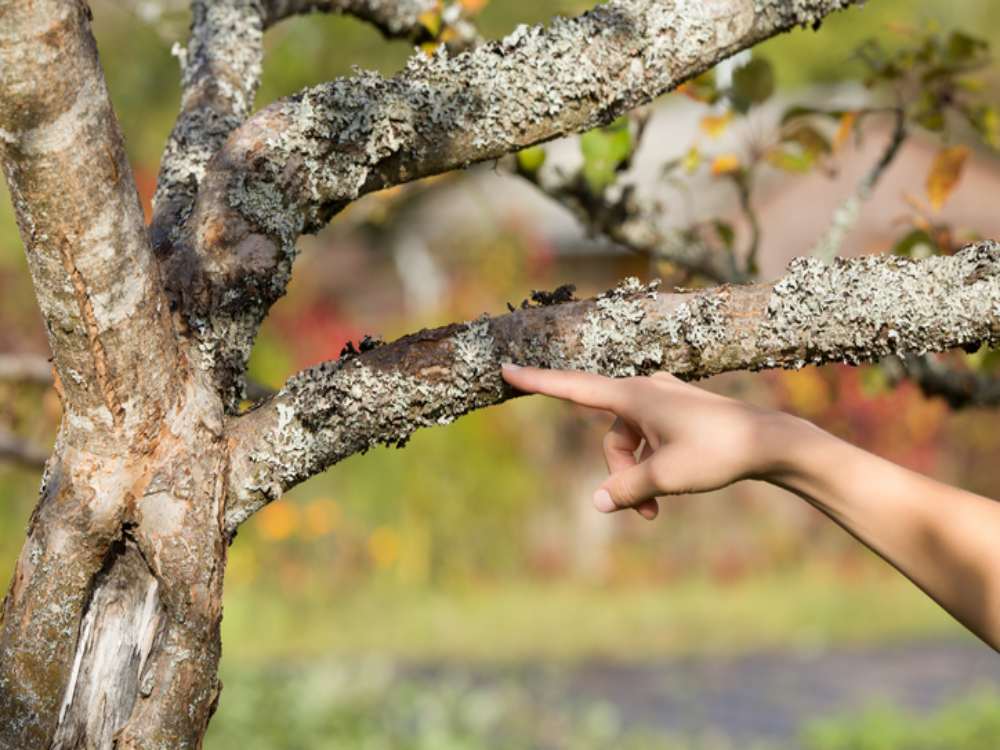
Overview of Common Threats Affecting Trees in the Mid-Atlantic
Fungal infections and invasive pests present dangers to local trees. Worse yet, the region’s humid summers and wet springs enable tree diseases to spread quickly. Without early detection, a manageable problem may turn into a full tree loss. Our team can help you identify:
- Fungal Diseases – These are infections that attack leaves, bark, and roots.
- Bacterial Blight – Tree blight identification often means you’re facing a fast-spreading condition that kills branches and foliage.
- Pest-Related Damage – Insects weaken trees and invite secondary infections.
Fungal Diseases Common in the Region
Fungal tree infections are among the most widespread tree health problems in the Mid-Atlantic. They thrive in moist conditions and can spread from tree to tree through soil, water, and wind. Tree fungus treatment is most effective when the infection is caught early, so be aware of the following:
- Oak Wilt – This affects red and white oaks, causing rapid leaf discoloration and death. Leaves turn brown from the edges inward.
- Anthracnose – Sycamores, dogwoods, and maples are susceptible to this disease. Look for irregular brown spots and early leaf drop in the spring.
- Verticillium Wilt – This root disease blocks water movement inside the tree, causing wilting and branch dieback.
- Powdery Mildew – You may notice a white, powdery coating on leaves. This is most common in shaded or poorly ventilated areas.
Recognizing Pest-Related Tree Damage
Pests can cause tree diseases by damaging bark and creating openings that allow fungal spores and bacteria to enter. Watch for these common pests in the region:
- Emerald Ash Borer – The emerald ash borer attacks ash trees, leaving S-shaped tunnels under the bark and causing canopy dieback.
- Spotted Lanternfly – The spotted lanternfly weakens trees by feeding on sap, leaving sticky residue and sooty mold behind.
- Bark Beetles – Bark beetles bore into stressed or weakened trees, accelerating decline and making bark disease signs more visible.
How the Local Climate Impacts Tree Health
Hot, humid summers in the Mid-Atlantic encourage fungal growth, while winter freeze-thaw cycles can crack bark and stress root systems. But the temperature isn’t a tree’s only concern. Prolonged wet periods in the spring increase the risk of root disease in trees, particularly in low-lying or poorly drained areas. Drought conditions in summer can then weaken trees, making them more prone to pest infestations and infections.
Early Warning Signs Homeowners Shouldn’t Ignore
Catching a problem early is the most important factor in saving a distressed tree on your property. Call our certified arborists if you notice any of these tree disease symptoms:
- Leaf Discoloration – Yellowing, browning, or spotting outside of the normal fall season is a key indicator of tree disease.
- Premature Leaf Drop – Leaves falling in the spring or summer signal stress or active infection.
- Bark Abnormalities – Cracks, cankers, oozing sap, or peeling bark are clear bark disease signs.
- Fungal Growth – Mushrooms or conks growing at the base of a tree often point to root disease.
- Thinning Canopy – Sparse or dying branches at the top of the tree suggest a systemic problem.
- Discolored Wood Under Bark – Streaking or staining beneath the bark is a strong sign of vascular disease.
Treatment and Prevention Options
Not every distressed tree can be saved, but many can be with early intervention. Tree fungus treatment and pest control are most effective as part of a proactive care plan. Among our strategies are:
- Fungicide Applications – These are used to treat and prevent fungal tree infections, particularly in high-risk species.
- Systemic Insecticide Treatments – Protect against pests like the emerald ash borer before damage becomes severe.
- Pruning and Canopy Management – Pruning removes infected branches and improves airflow to reduce disease spread.
- Soil Care and Root Zone Management – Soil management improves drainage and reduces conditions that lead to root disease in trees.
- Preventive Care Programs – Regular inspections and seasonal treatments keep trees resilient year-round.
FAQ About Tree Diseases
Look for leaf discoloration, bark abnormalities, fungal growth at the base, and premature leaf drop. These are the most common early signs of tree infection across Mid-Atlantic tree species.
Many trees can be treated successfully if the disease is caught early. However, severe infections, especially those involving root disease, may have a poorer prognosis. A certified arborist can assess whether treatment is viable.
Both can look similar at first. Fungal tree infections often show up as spots, blights, or wilting. Pest damage typically involves visible holes, sawdust-like frass, or tunnels beneath the bark. Many trees suffer from both simultaneously.
Yes. Many diseases, including oak wilt and anthracnose, can spread to nearby trees through root contact, insects, or water. Early treatment and removal of infected material help limit the spread.
Contact Us to Preserve Your Trees’ Health
Stein Tree Service offers expert tree health assessments, diagnosis, and treatment for homeowners in Delaware, northern Maryland, and southeastern Pennsylvania. Contact us today to schedule an inspection.
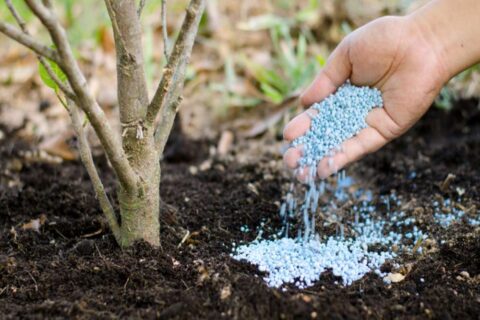
Trees are a long-term investment in your property’s value and appearance, but only if they stay healthy. Without consistent care, even mature trees…
The following is an example of the type of services Stein Tree Service has been asked to perform for commercial purposes.
In this example, a…