
Plant Health Care: How to Keep Trees Healthy Year-Round
Trees are a long-term investment in your property’s value and appearance, but only if they stay healthy. Without consistent care, even mature trees can decline quickly due to pests, disease, poor soil, or seasonal stress. That’s why you need Stein Tree Service. We provide professional plant health care programs for clients in Delaware, northern Maryland, and southeastern Pennsylvania. Our certified arborists can help you protect and maintain your trees year-round. Start by reviewing our practical plant health care tips below.
Why Proactive Care Is Essential for Long-Term Tree Health
Waiting until something is wrong with your trees is often more expensive and less effective than preventive tree care. Trees under stress are far more vulnerable to insects and disease. By the time visible symptoms appear, damage may already be significant. A consistent tree maintenance schedule helps you catch problems early, support healthy growth, and extend your trees’ lifespans.
Seasonal Tree Care Calendar
Sticking to a seasonal tree care routine helps ensure your trees get what they need before problems develop. Here’s a basic breakdown of what to focus on throughout the year:
- Spring – Inspect trees for winter damage, apply fertilizer as needed, and watch for early signs of pest activity or fungal disease.
- Summer – Monitor for drought stress and insect infestations. Deep watering during dry periods supports healthy tree growth.
- Fall – Apply mulch around the base to retain moisture and regulate soil temperature. This is also a good time for soil testing.
- Winter – Schedule structural pruning while trees are dormant. Remove dead or weak branches before spring storms arrive.
Soil Health and Nutrient Management
Healthy soil is the foundation of healthy trees. Compacted or unhealthy soil may limit root growth and weaken your tree’s ability to absorb nutrients and minerals. Key soil health practices for trees include:
- Soil Testing – A soil test tells you exactly which nutrients are lacking and what pH adjustments may be needed.
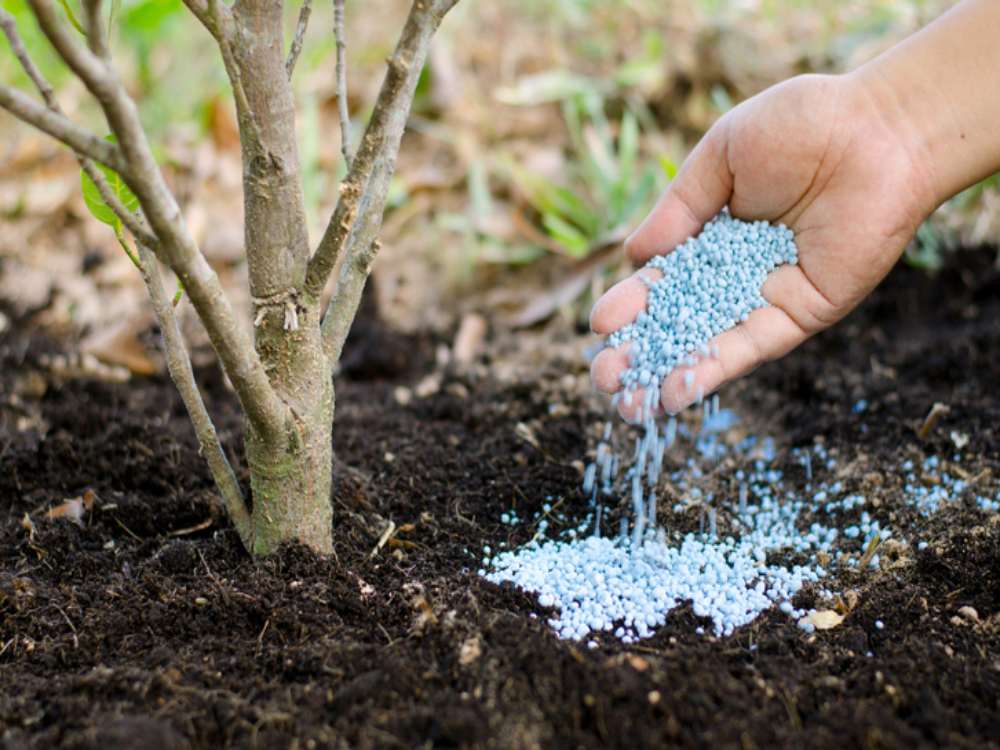
- Tree Fertilization Basics – Slow-release fertilizers applied in early spring or fall can support root development and overall vigor.
- Mulching – A two- to four-inch layer of organic mulch around the base helps retain moisture, reduce compaction, and improve soil structure over time.
- Aeration – Loosening compacted soil allows oxygen and water to reach the root zone more effectively.
Pest and Disease Prevention Strategies
Insects and pathogens are natural parts of any ecosystem, but certain species can cause serious damage if left unchecked. Common threats in the Mid-Atlantic region include the emerald ash borer, the spotted lanternfly, and fungal diseases such as anthracnose and root rot. Effective prevention strategies include:
- Regular Monitoring – Walk your property regularly and look for unusual leaf discoloration, early leaf drop, or visible insect activity.
- Proper Pruning – Removing dead or diseased wood reduces entry points for pests and pathogens.
- Targeted Treatments – When infestations are identified early, targeted insecticide or fungicide applications are often sufficient without broader chemical use.
- Avoiding Tree Wounds – Lawn equipment damage creates openings for disease. Keep mowers and trimmers away from the base of trees.
Benefits of Professional Plant Health Care Programs
While homeowners can handle basic tasks like mulching and watering, many aspects of tree care require training and specialized equipment. Professional arborist care programs offer:
- Accurate Diagnosis – Certified arborists can identify differences among nutrient deficiencies, pest damage, and disease.
- Customized Treatment Plans – A one-size-fits-all approach rarely works. Professionals tailor care to each tree’s specific species, site conditions, and health status.
- Preventive Treatments – Systemic insecticide and fertilizer injections, trunk injections, and soil treatments are typically only available through licensed professionals.
- Long-Term Tracking – Ongoing programs allow arborists to monitor changes over time and adjust care as conditions evolve.
Why Local Expertise Matters in the Mid-Atlantic Region
Trees in Delaware, Maryland, and Pennsylvania face specific challenges, including clay-rich soils, humid summers, and regional pests like the emerald ash borer. Local arborists understand these conditions and know which treatment approaches work best for trees in this region. Stein Tree Service has been serving Mid-Atlantic homeowners for decades. Our team combines certified expertise with hands-on regional experience to keep your trees healthy through every season.
FAQ About Preventive Tree Care
Most trees benefit from an annual inspection by a certified arborist. High-value trees or those showing signs of stress may need to be evaluated more frequently.
Early spring and fall are generally the best times for tree fertilization. Fertilizing in late fall after trees go dormant can also support root development heading into spring.
Common signs of tree stress include wilting or yellowing leaves, early leaf drops, dead branches, and unusual insect activity.
Yes. The cost of routine plant health care is almost always lower than treating advanced disease, removing a dead tree, or repairing property damage from a fallen limb.
Contact Us for Plant Health Care Tips Today
Consistent, knowledgeable care makes a lasting difference in the health and longevity of your trees. Contact Stein Tree Service today for help developing a plant health care program in Delaware, Maryland, or Pennsylvania.
The trees on your residential or commercial property add value and boost your curb appeal when they’re at their best. But, unfortunately, they’re…
The following is an example of the type of services Stein Tree Service has been asked to perform for commercial purposes.
In this example, a…