Tag: tree care

Tree care specialist using spider lift to trim large tree - Stein Tree Service

What Kind of Tree Care Can Be Done in the Winter?

With bare branches and frozen ground, winter can look like the off-season, but actually it’s a good time to reduce storm risk and catch tree problems early. Many winter tree care services are safer and more efficient during dormancy, and the results often show up as fewer broken limbs, fewer emergency calls, and healthier spring growth.

Below are some core winter tree care services Stein Tree Service performs each year, plus practical, homeowner-friendly steps you can take alongside professional work.

Checklist: “Is This a Winter Tree Care Moment?”

If you answer yes to any of these, it’s worth scheduling a winter inspection or estimate:

  • Dead or hanging branches over a roof, driveway, sidewalk, or power/service lines
  • A tree with visible decay, cavities, or mushrooms/fungal growth
  • Evergreens browning or thinning (possible winter drought/desiccation)
  • Bark cracking/splitting (possible frost damage or sun scald)
  • You’ve had repeat storm debris or blocked access/roadways
Winter Tree Care Services

Winter Tree Care Service Best For Helps Prevent
Tree inspection/risk assessment Any property with mature trees

Surprises in heavy snow/wind

Tree removal Dead/diseased/structurally unsound trees

Storm failures, property damage

Tree trimming & pruning Overfull canopies, dead/weak limbs

Limb breaks (Also provides safer clearances)

Right-of-way clearing Municipalities, HOAs, commercial sites

Blocked roads/access for repair crews

Winter desiccation treatment Evergreens, wind-exposed sites

Browning/needle loss

Frost protection tactics Young/newly planted trees

Bud/shoot damage, bark issues

Tree pest prevention Vulnerable species

Spring/summer pest infestations

Emergency storm clean up Storm-damaged trees/limbs

Secondary damage & hazards

Winter Tree Removal Services

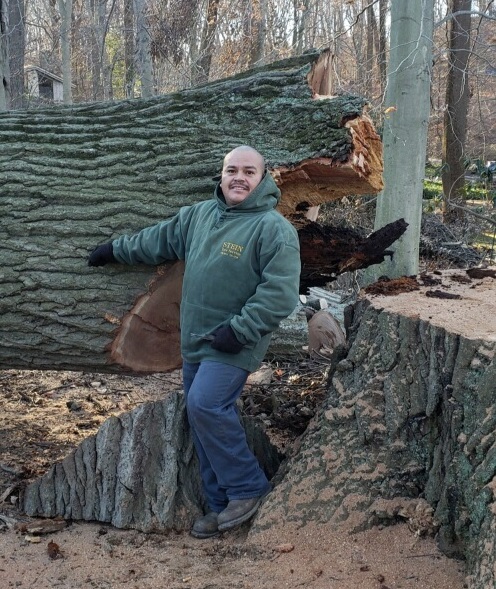
One example of winter work we’ve done was removing a large red oak with an enormous cavity. The trunk measured 27 feet in circumference and showed clear decline signs (including a large open wound and mushrooms). In winter, those structural issues can be easier to spot so homeowners can address a hazard before heavy snow or ice makes it fail.

Why is winter tree removal is often a smart call?

  • Dormancy = less stress on surrounding landscape.  Trees aren’t actively growing, and access is often simpler
  • Frozen ground can reduce turf impact when heavy equipment is needed (including cranes for larger trees).
  • Fewer “surprise failures.” Removing a high-risk tree now may reduce the chance you’re calling during a storm event.
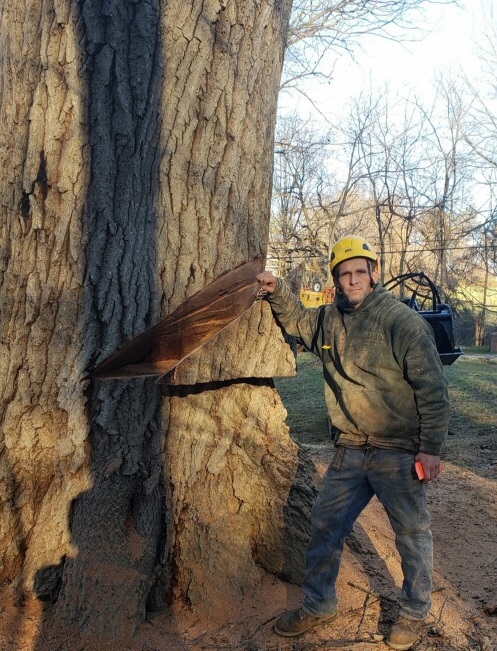
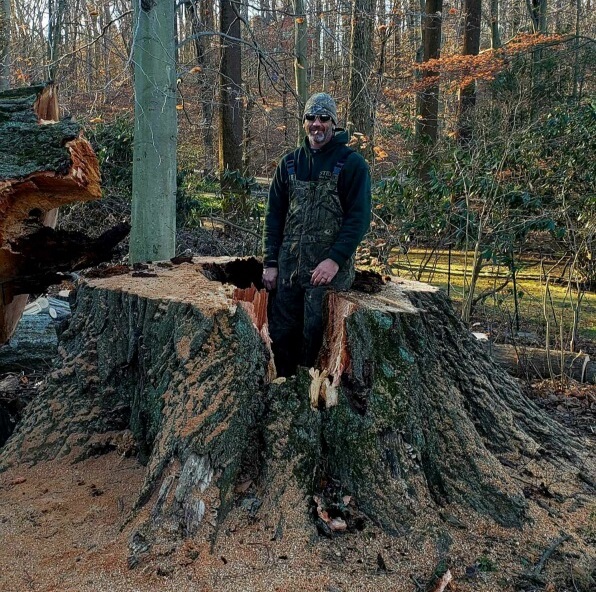
  • Tree Removal Wilmington - Stein staff next to large oak tree with wedge cut

  • Winter tree removal of large oak with internal cavity – Stein Tree Service

  • large red oak tree removal tree downed beside tree stump - Stein Tree Service

Right of Way Clearing

Right-of-way clearing is another winter tree care service we provide that is critical for access and safety. Roadways and access areas must be clear for traffic or repair crews, particularly if power is disrupted. We have the equipment needed and have performed right-of-way clearing and tree maintenance services for local municipalities, businesses, and even residents who have areas on their properties with trees that block access.

Winter Tree Trimming and Pruning Services

Winter is a good time for trimming and pruning because the trees are dormant and the bare canopy reveals dead, misshapen, or weak branches. Those branches are the ones most likely to crack under snow/ice weight

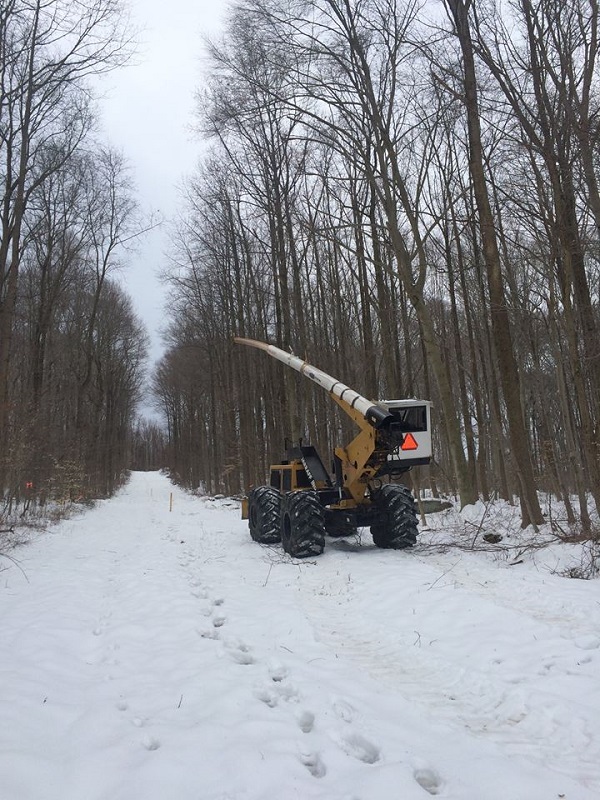
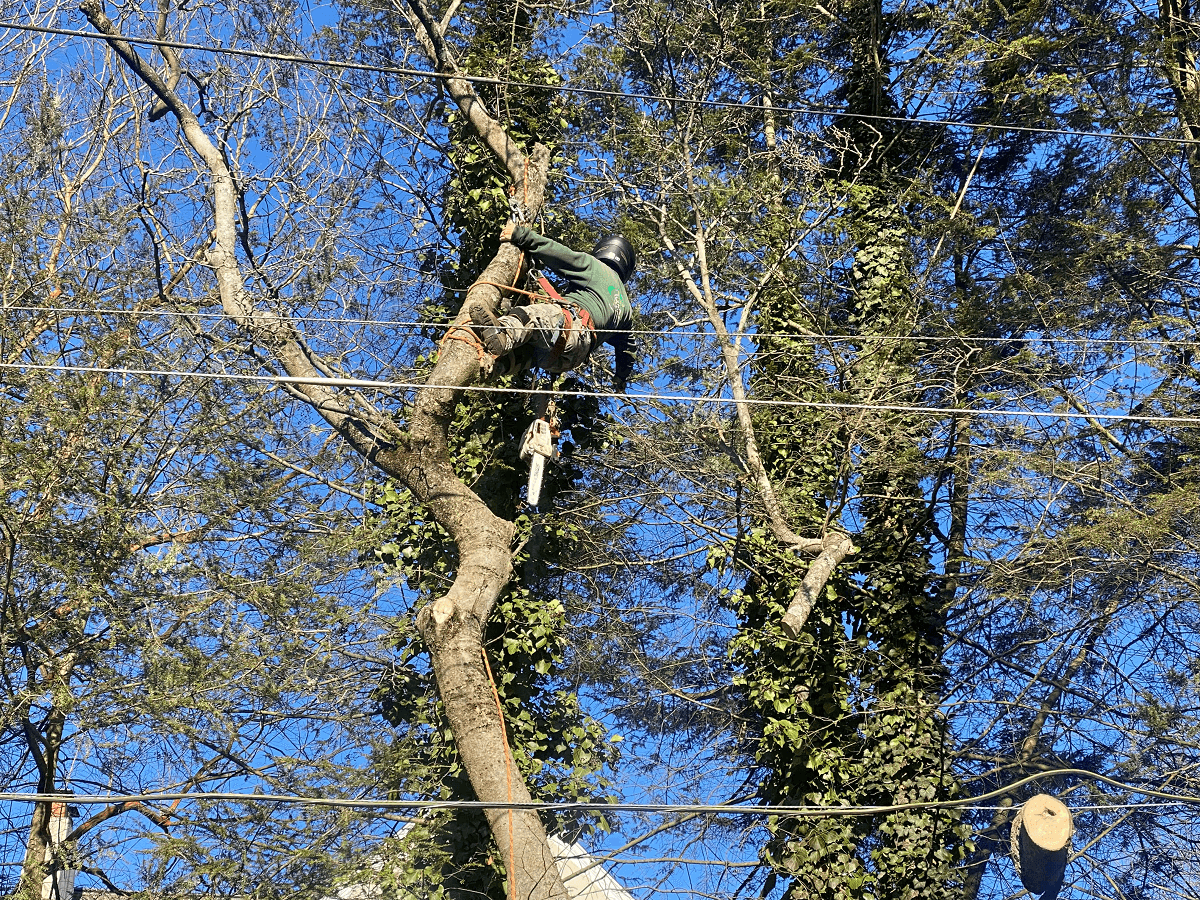
We also use specialized equipment, like our mini lift, affectionately nicknamed “the Spider,” (shown above) makes these services quicker, safer, and more efficient. View our video above to see how we can trim and remove trees from tight areas with homes nearby.

Practical winter tip: After a heavy snowfall, gently clear accumulated snow from reachable limbs to reduce limb break risk.

Pruning in winter is also a “tree health” move because dormant-season pruning typically means less stress on the tree and can reduce the likelihood that pruning wounds attract insects.
Winter Plant Health Care

Plant Health Care (PHC) matters in winter, too. One of the issues we get requests about in the winter is deer damage management. The deer cause damage in winter because when natural food sources drop, deer browsing can deform evergreens or strip buds. If you’re seeing chewed branch tips, missing buds, ragged foliage, or scraped trunks, this could be a sign of deer pressure on your property. Our deer repellent programs are aimed at controlling deer presence in your yard and protection of your valuable plant life.

Winter Desiccation Treatment

Winter desiccation is a type of injury that trees and shrubs can experience during winter. This injury occurs when a tree loses more water than the tree absorbs from the roots. As the ground freezes during winter, tree roots have a more challenging time absorbing water from the frozen ground while losing water due to transpiration.

Desiccation primarily affects evergreen trees, more so than deciduous trees, because evergreens transpire (give off water vapor) at a higher rate than deciduous trees.

The solution for this type of tree care is anti-desiccant sprays to help reduce moisture loss, which must be applied at specific times of the year and require careful application.

Emergency Storm Clean Up

When branches fail or trees come down in winter storms, response time matters. Stein Tree Service offers 24/7 emergency storm response. We will send our team of tree care professionals to evaluate the site as soon as it can safely be accomplished.

Why Homeowners, Property Managers, and Municipalities Schedule Winter Work

Winter is often the best time to:

  • Reduce storm risk before the next event hits (especially for trees overhanging structures/lines)
  • Get clearer visibility of structure/defects without leaves
  • Plan proactive pruning/removals with less disruption

Common Winter Tree Problems

These common winter tree problems affect trees all across our area. The harsh winter weather, including the sun and wind, can damage a tree’s roots, bark, and branches. Other issues involve pests and other harmful insects. Looking out for these issues will go a long way to ensuring your trees’ health and beauty.

  • Winter Drought

    Winter drought is a common issue mostly impacting northeastern evergreens. This type of drying out happens when trees lose more water than they can absorb. The ground freezes and the soil is either frozen or simply too cold for normal processes. Symptoms of winter drought include a browning of the tree’s leaves and twig and branch dieback.

    To avoid this problem, we advise regular fertilizing and watering before the dormant season to promote tree health. A thick layer of mulch may also help prevent soil moisture loss and reduce risks of freezing.

  • Sun Scalding

    Winter sun scalding is another common winter tree problem. Sun scalding is most common during clear, sunny winter days when the sun shines directly on a tree’s trunk and warms the tree up. This heat from the sun triggers a tree growth response. Once the sun sets and the temperature drops again, the new tissue growth is susceptible to damage (such as being frozen from snow and ice), and the tree is at risk of cracking and splitting.

    Sun scald can sometimes be prevented with reflective tree wraps. An ISA certified arborist can wrap the trunk, after the tree has gone dormant for the winter, to reflect the sun’s heat.To avoid this problem, we advise regular fertilizing and watering before the dormant season to promote tree health. A thick layer of mulch may also help prevent soil moisture loss and reduce risks of freezing.

  • Bagworms

    Bagworms do their damage during the summer when the larvae hatch and feed on your beautiful greenery. In the winter when the branches are bare, take time to inspect your trees to look for the tear-drop shaped bags where bagworm eggs reside. Removing them at this point is simple and will help prevent summer infestation.

Protecting Young Trees From Winter Damage

These are easy, high-impact actions that can improve your tree health along with professional winter tree care services:

  • Mulch correctly: a fresh organic layer under the drip line helps regulate soil temperatures and reduce moisture loss, but avoid piling mulch against the trunk (volcano mulching).
  • Protect young trunks: rodents may chew bark in winter, but you can use plastic guards or taller wire protection where deer pressure is high.
  • Water thoughtfully: fall watering helps trees enter winter better hydrated. Only water in winter when temps are above around 40°F and the area isn’t icy.

4 Methods of Protecting Trees From Frost

Frost damage can show as browning shoots/buds, bark cracking, and wilting young branches, especially on young or newly planted trees. Quick protection options include:

  1. Blankets. This is the simplest and fastest form of protection, especially when residents are caught unaware by a sudden freeze forecast. Just throw blankets or old clothes around the base of the tree for insulation.
  2. Hay. Instead of blankets, homeowners can also pile hay around the base of a tree to offer insulation and keep the surrounding ground warm.
  3. Hot water bucket with blankets or plastic sheeting. For this method of frost prevention, fill a 5-gallon bucket with hot water and place underneath a tree. Use a heavy blanket or plastic sheeting to cover the bucket and wrap around the tree. Over the course of a few hours, the hot water will evaporate but the heat will be trapped by the blanket and keep the tree warm.
  4. Drip lines. As with the previous methods, this method utilizes the principle that water that is warmer than air will protect trees from frost. For best effects, use blankets or plastic to help trap the energy expended during the evaporation process.

Why Choose Stein for Winter Tree Care Services

  • FREE
    Consultation

    We offer a free consultation with our experts to evaluate your landscape and its current or potential problems. We provide a solution based on YOUR landscape needs.

  • Expert Care by Certified Arborist

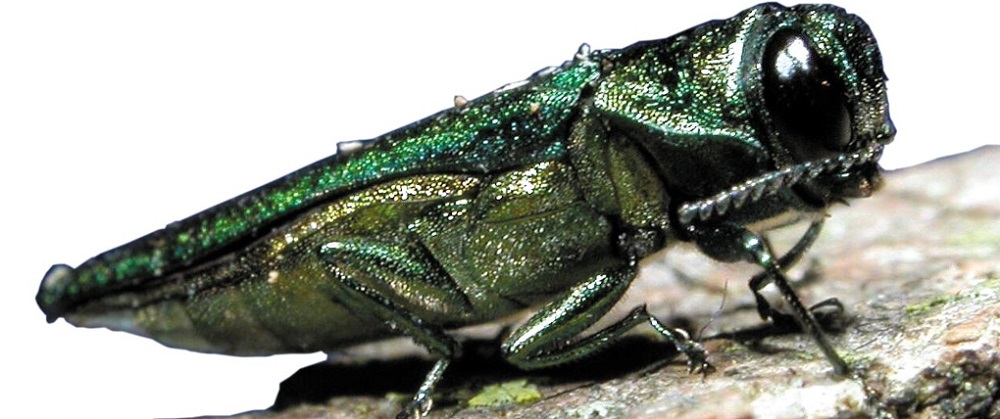
    Our arborist is ISA-certified and experienced in all types of plant and tree problems, including pests like emerald ash borer, plant and tree disease, and damaged trees.

  • Affordable
    Care

    Stein offers competitive rates for all of our services, including tree removal and emergency storm cleanup. We provide excellent value, balancing quality service with cost-effectiveness.

  • Licensed and Insured

    We are fully licensed and insured, so while our team consists of highly experienced professionals, our comprehensive insurance coverage means you’re protected against any unforeseen incidents. 

What Our Customers Say

See what a few of our customers say about our winter tree care.
What People Say

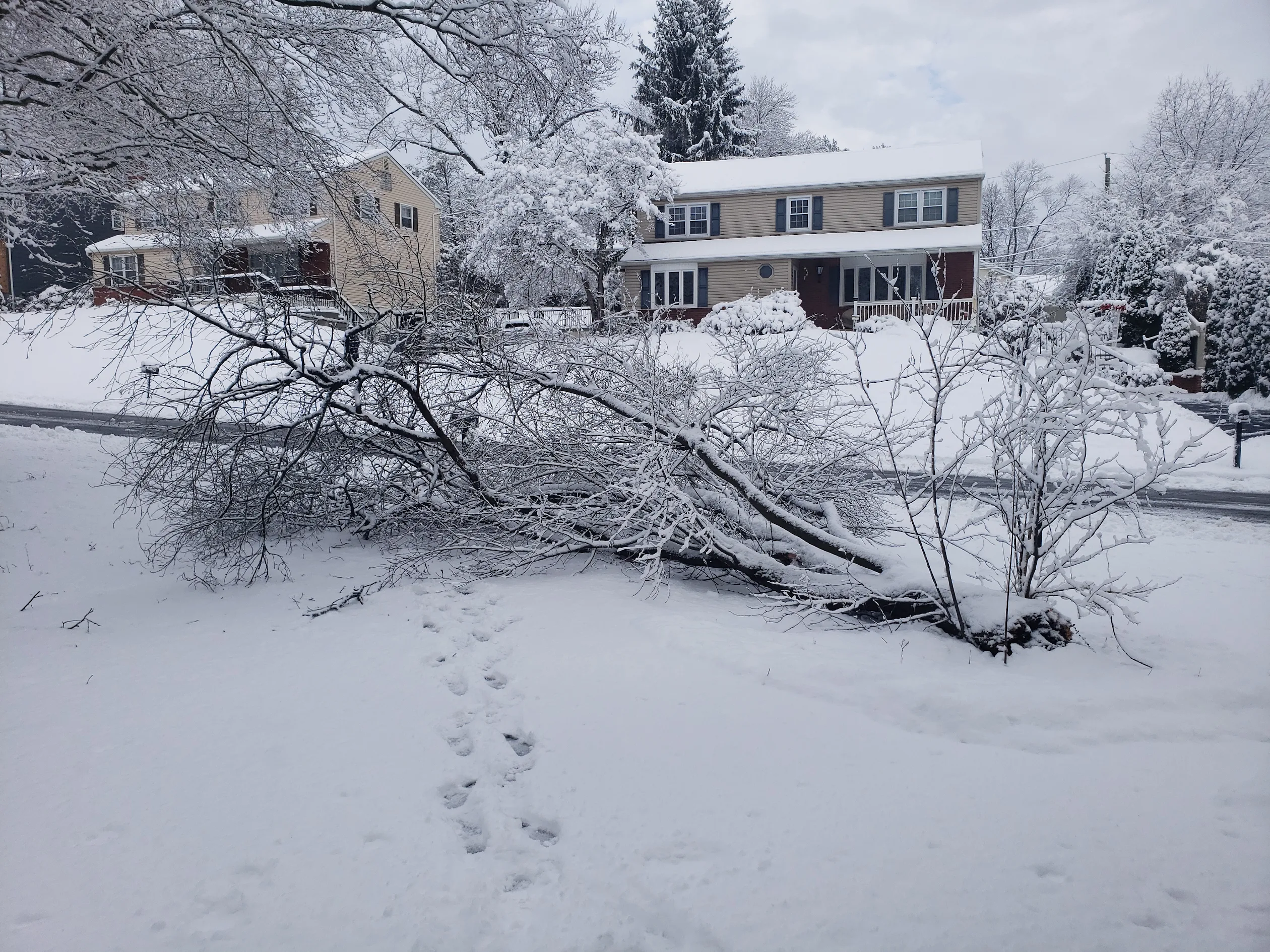
“Last night we had a heavy wet snow that brought down a tree right across the driveway. It’s a Sunday and they came out within a couple hours with bobcat type equipment and a wood chipper and finished and cleaned up in less than 30 minutes. And then they plowed the rest of the driveway I wasn’t able too earlier. Wow! Outstanding.”  – S.S.

“I’ve used Stein a number of times and it’s always a great experience. I have used them for tree pruning, tree removal and emergency tree removal for a tree that came down during a wind storm. Pricing is great and they took care of my emergency tree removal super quick.”  – N.N.

“The “spider” crew removed 3 dead trees in the yard to our new house. They were nice guys and incredibly fast getting the job done. I also really appreciated the front office’s quick response, flexibility, and professionalism when we were under contract and needed the tree work quoted.”
”  – M.D.

FAQs About Winter Tree Care

We get many questions from residents about tree care, our services, and our policies. Below are some of our frequently asked questions about tree removal and other services.

  • What winter tree care services can be done in winter?

    A lot, and winter is often a smart time to be proactive. Common winter tree care services include:

    • Tree inspections / risk assessments (easier to see structure with no leaves)
    • Trimming and pruning (dormant-season structural work, deadwood removal)
    • Tree removal
    • Storm damage clean up and emergency tree assistance
    • Right-of-way clearing, land clearing, and related site work
    • Stump grinding

    Best next step: If you’re not sure what’s urgent, start with a winter inspection.

  • Is winter a good time to prune or trim trees?

    Often, yes. Winter pruning can be ideal because:

    • You can spot dead/weak tree limbs more easily
    • Structural issues are clearer without foliage
    • Dormancy can make certain pruning work more efficient

    The “best time” can vary by species and condition. If you’re unsure, an on-site evaluation helps confirm the right approach for your trees.

  • Is winter tree removal possible?

    In many cases, yes. Winter removals are commonly scheduled. A quick site visit typically determines the safest removal plan and the best way to minimize disruption.

  • How do I know if a tree is hazardous in winter?

    Weaknesses can be more obvious in winter. Consider an inspection if you notice:

    • Dead or hanging limbs over a roof, driveway, sidewalk, or parking area
    • Cracks, splits, or a sudden lean
    • Cavities/decay or fungal growth at the base
    • Soil/root heaving after wind
    • A history of limb failures (repeat failures are a strong warning sign)
  • When should I schedule a winter tree inspection?

    Schedule sooner if:

    • You want to reduce storm risk before the next snow/ice event
    • You’re seeing any hazard signs above
    • You manage a commercial site, HOA, or municipal area where pedestrian/roadway safety matters
    • You’re planning site work and need a clear tree plan
  • Are you available for emergency services?

    Yes. We will send someone to assess the situation as soon as they can safely do so.

  • Are You licensed and insured?

    The crew at Stein Tree are tree care specialists with decades of collective experience and knowledge. In addition, our company carries more insurance than most other tree removal companies due to the nature of some industries where we provide services. They require us to have more insurance due to the danger involved. Therefore, we are more than covered for residential work. When asked, we can have our insurance agent provide you with a current certificate of insurance.

  • Are your team members properly trained?

    Our employees have gone through many hours of training to execute their jobs safely while on your property. We hold weekly safety meetings and constantly review safe working practices. All of our drivers are properly licensed to operate the size truck they are driving. We also require random drug testing.

  • What areas do you service?

    Stein Tree Service proudly provides expert tree care to residential, commercial, and municipal clients in Delaware, parts of southeastern Pennsylvania, and parts of Maryland. Our primary service areas include:

    Delaware: New Castle County, including Wilmington, Newark, and surrounding communities.

    Pennsylvania: Areas of southeastern PA such as Chadds Ford, West Chester, and Kennett Square.

    Maryland: We serve parts of northeastern Maryland, including Elkton, Chesapeake and Fair Hill.

    If you’re located near the Delaware border and are unsure whether your property is within our service range, feel free to contact us directly. We are happy to check and schedule a consultation.
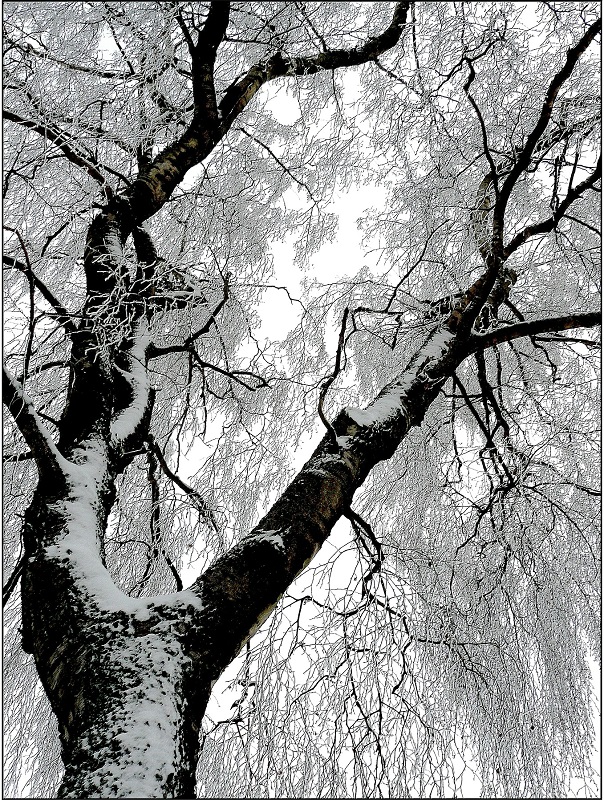
Ice covered tree in winter - Winter tree removal in Wilmington DE by Stein Tree Service

Call Stein Tree for Winter Tree Care Services

Winter can be hard on young and mature trees and it’s one of the best seasons to take proactive steps. Stein Tree Service provides winter tree care services including tree trimming and pruning, tree removal, right-of-way clearing, winter desiccation treatments, and emergency storm clean up.

If you’re unsure what your trees need, a winter inspection can help you prioritize:

  • Which limbs are true hazards
  • Whether a tree is a candidate for pruning vs. removal
  • Whether preventative treatments (wraps, anti-desiccants, cabling/bracing) make sense

Schedule a free winter consultation to get a clear, prioritized plan for your property’s safety and tree health before the next snow/ice event.

Get A Free Estimate

REQUEST A FREE, NO OBLIGATION CONSULTATION

Featured Programs

Inspect for Emerald Ash Borer infestation - Stein Tree Service - 1000

Spotted Lanternfly Quarantine Areas

Stein has a permit to work in spotted lanternfly quarantine areas in Pennsylvania and Delaware. Tree Service Companies have to be trained in proper moving and disposal of materials to avoid spread of the spotted lanternfly and Stein has completed the training courses.
Read more

Inspect for Emerald Ash Borer infestation - Stein Tree Service - 1000

Emerald Ash Borer Inspection

In the spring, destructive ash borer (EAB) adult beetles begin to emerge.  These invasive pests can destroy your ash trees.  Our specialists are certified to treat for EAP in Pennsylvania and Delaware.  For A free consultation, contact us today.

Read more

Continue reading

Banner - Tree Worker in bucket lift - trimming trees in Newport DE | Stein Tree Service answers frequently asked questions about summer tree care

Frequently Asked Questions About Summer Tree Care

Summer is a crucial time for tree care, as the hot weather can pose various challenges for tree health. To ensure your trees thrive during the summer months, and all year, some elements of care are essential. As tree care professionals, we hear a lot of questions, and below are a few of the most common. Below, we answer some of the most frequently asked questions about summer tree care.

Continue reading

tree branch with yellow leaf, fall and winter are the best times for tree trimming, stein tree service

4 Tips to Prepare Trees for Winter

The weather will soon get colder, so the time to prepare trees for winter is near. Your trees can risk being damaged during winter, especially during winds or snow and ice. Take care of your trees before winter, and help them withstand the cold weather better. And a few specific methods, such as watering, pruning, and wrapping, can keep your trees healthy and ready to bloom next spring. Stein offers a few tips to help prepare your trees for winter.

Why You Should Prepare Trees for Winter

With winter comes risks to your trees’ health and safety. The cold temperatures can cause stress and damage to tree roots and tissues. Strong winds and storms can break off branches and damage the surroundings. At the same time, snow and ice can add unexpected weight, potentially causing branches to snap. Even the sun and radiant heat can cause issues.

All these factors contribute to a challenging season for trees, making winter preparedness vital to minimize harm and preserve tree health. Below are 6 tips to help your trees during the winter season.

See Our Tree Trimming & Pruning Services

1. Tree Inspections

Winter is coming, and there is no better time to inspect your trees. Just like an annual health check-up is advisable for you, regular inspections are essential for the welfare of your trees. Inspections enable early detection and treatment of any existing or potential issues and assist in preparing the trees to withstand the harsh winter.

An experienced arborist can comprehensively evaluate tree health, assessing risk factors such as damaged limbs, signs of disease, pest infestation, or structural instability. Keeping your trees in check and taking proactive measures can enhance their winter readiness.

2. Water

Watering is one of the essential ways homeowners can prepare trees for winter. Water helps provide nutrients to trees and acts as an insulator, protecting the tree’s cells from cold weather damage. If the soil beneath a tree has adequate water, the soil stays warmer during the winter. Newly planted or young trees are even more susceptible to winter damage, so providing enough water before the ground freezes is especially important. Ensuring that your trees have had enough water before the cold weather kicks in will go a long way to keeping them healthy during winter.

3. Trimming & Pruning

Once fall is in full effect and after your trees have gone dormant, pruning and trimming will prepare them for the cold winter. Trimming and pruning trees before the winter minimize potential damage during winter winds or heavy snow. When trees lose their leaves in the late fall and early winter, identifying and removing unsafe branches is significantly easier.

Any wounds from trimming and pruning will heal more quickly since the tree is expending no energy on new growth, so the tree will be less likely to become infected by disease or insects. So to better prepare trees for winter and keep them healthy and your property safer, contact your arborist for pruning and trimming services.

4. Reflective Tree Wraps

Although cold damage is most common during winter, tree bark can also get damaged from the bright sun, which a reflective tree wrap can alleviate. When the winter sun shines directly onto and warms a tree trunk, the heat triggers a growth response, which results in new growth tissues that are susceptible to damage (called “sun scald”) once the temperature drops. Tree wraps work by reflecting sunlight, thereby preventing the tree trunk from absorbing excessive heat. The resultant controlled temperature inhibits that unexpected growth response in trees.

While reflective tree wraps can benefit certain species, tree-wrapping practices vary based on species, location, and tree health. Check with your arborist to see if this method is recommended for your trees.

5. Mulch

Many people think of mulch in the spring, but at any time of year, mulch can help prevent moisture loss from the soil and regulate soil temperatures. Add a thick layer beneath the tree’s drip line in late fall or early winter.

6. Stump or Tree Removal

Sometimes, despite all efforts, a tree or stump must be removed. Removal might be necessary if a tree is dead, in severe decline, disease-infested beyond recovery, or posing a risk to the surroundings. Winter storms could exacerbate weak conditions, turning the tree into a hazardous liability.

While tree removal is always a last resort, when necessary, hiring professional tree removal services ensure the process is conducted safely and effectively. With their abundance of knowledge, experienced tree specialists can provide an effective removal plan that minimizes harm to surrounding flora and structures.

Inspect for Emerald Ash Borer Lifecycle and History - Stein Tree Service

Contact Stein Tree Service to Prepare Your Trees for Winter

If you want to prepare trees for winter so your landscape remains healthy and beautiful, contact Stein Tree Service. Stein offers a wide range of plant and tree care services to keep your landscape in top shape before winter and all year round. We are the oldest independently owned tree care service company in Delaware, and our team of highly experienced tree care professionals will provide exceptional services. For more information on our services, contact us today.

REQUEST A FREE, NO OBLIGATION CONSULTATION

Featured Programs

Inspect for Emerald Ash Borer infestation - Stein Tree Service - 1000

Spotted Lanternfly Quarantine Areas

Stein has a permit to work in spotted lanternfly quarantine areas in Pennsylvania and Delaware. Tree Service Companies have to be trained in proper moving and disposal of materials to avoid spread of the spotted lanternfly and Stein has completed the training courses.

Read more

Inspect for Emerald Ash Borer infestation - Stein Tree Service - 1000

Emerald Ash Borer Inspection

In the spring, destructive ash borer (EAB) adult beetles begin to emerge.  These invasive pests can destroy your ash trees.  Our specialists are certified to treat for EAP in Pennsylvania and Delaware.  For A free consultation, contact us today.

Read more

Continue reading

tree inspection can identify dangerous trees - tree cavity - stein tree service

Do You Need to Worry About Tree Cavities?

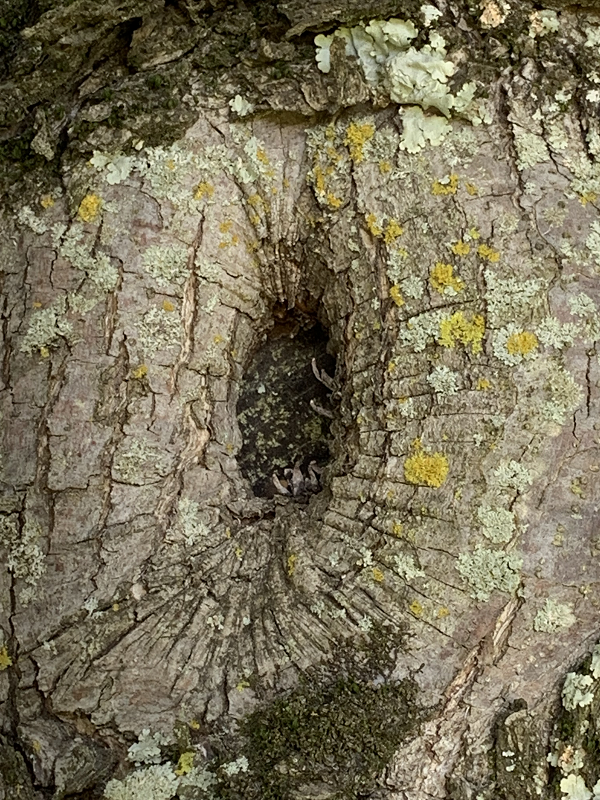
Trees commonly have knots, splits, hollows, and even cavities in their trunks or branches. These features are part of the visual interest trees provide and are produced during growth that follows some sort of injury to the tree. Battle scars, you might say, often result from the tree growing around or over a wound to heal and strengthen the area. But do you need to worry about tree cavities?

The answer depends on numerous factors, such as the location and size of the cavities.

Location of Tree Cavities

One of the significant factors for whether you need to worry about your trees having cavities is the location of the cavities. Trees with cavities are often just as strong as ever, but certain areas can indicate significant risks.

  • If the cavity is near the tree’s base, then the tree may be at risk of falling over.
  • If the cavity is at a branch attachment (where the branch is connected to the trunk) the branch could fall in severe winds or when carrying extra weight, such as ice or snow.

If you see a tree cavity in these areas of your tree, call a professional arborist to examine them.

Size of Tree Cavities

Another issue that can signify the risk of cavities in trees is their size. If a cavity is small, you may be able to leave the tree alone as the cavity is too small to compromise the tree’s structural integrity. On the other hand, a large cavity is a cause for concern. For example, if the diameter of the tree cavity is too big in relation to the trunk’s girth, the cavity may cause weakness resulting in the tree falling. To ensure that your home and its occupants are safe, have any worrisome tree cavities or splits checked out by a tree care professional.

Tree Care for Abnormalities

Some tree abnormalities need no special attention. The tree has healed and compensated for the weakness from the injury. Other abnormalities require treatment to ensure the tree’s continued stability and health. Some trees with abnormalities need to be removed for the safety of surrounding property or people.

Tree Cavities and Hollows

Tree cavities and hollows are sunken or open areas in a tree that typically occur when the tree has suffered some injury, followed by decay. In some cases, the decay goes too far, and the tree is unable to survive. However, the healthy tree tissue surrounding the decay is protected in most cases. As a result, the tree survives, leaving a hollow area or hole.

Some sources estimate that a tree can lose up to 70% of a cross-section of wood and still safely support itself. This is because the tree tends to heal itself, and the buildup of the tree trunk around the wounded area reinforces the stability. However, if the wood is weak, or other factors exist, such as insects attracted to the decay and spreading out, the tree could be at risk of falling. A certified arborist or other tree care specialist can assess the risk and advise you if the tree has a moderate or significant chance of failing.

Tree with v-shaped fork | tree cavities | Stein Tree Service

If the tree is stable, no treatment is necessary. However, some homeowners choose to have the tree filled, either for aesthetic purposes, to keep young children from playing in the tree, or keep animals from nesting inside. If you choose to fill the tree, use a foam filler. Concrete was a standard filler in the past. However, trees move with the wind and continue to grow, so the unyielding concrete acts as an irritant that can cause even more damage to the tree.

Forks or Splits

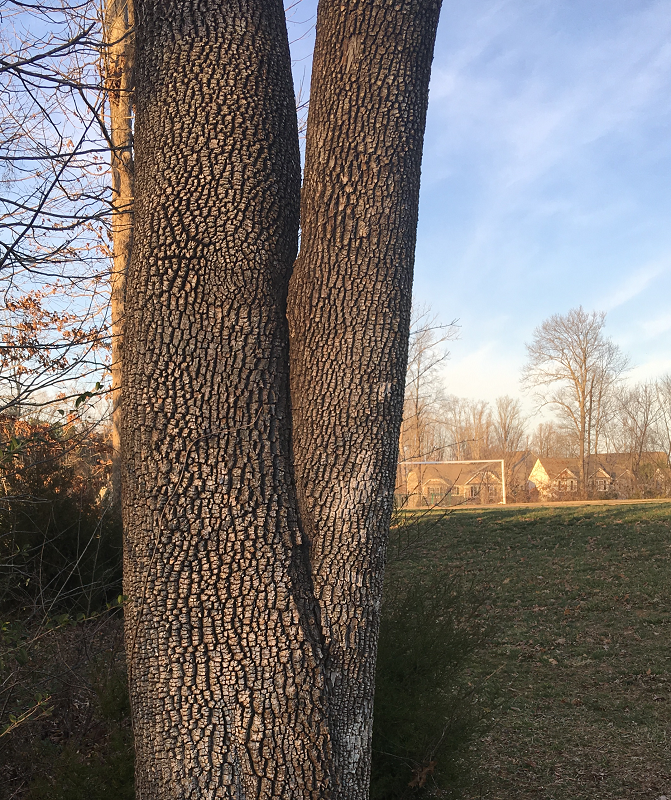
Sometimes branches fork off from the tree trunk at sharp angles. As the tree matures, the branches get thicker and heavier and are more prone to breaking off. If the fork occurs in the early formation of the tree, two main tree branches can seem like separate trunks of the tree.

Either way, forks such as this can cause tree branches to break off under pressure. V-shaped forks are the riskiest and should be monitored if a large tree is near power lines or structures. A certified arborist can fortify the connection by cabling and bracing the tree in many cases. This service utilizes cable lines and bracing rods to redistribute structural stress and help prevent structural damage.

Contact Stein Tree for Tree Care

Stein Tree Service strives to provide excellent service to homeowners in Delaware, Pennsylvania, and Maryland. Our services include tree inspection, insect infestation prevention and treatment for emerald ash borer, tree trimming and pruning, tree removal, and cabling or bracing. In addition, we are available 24/7 for emergency tree services, and we offer free consultations. For information about tree care, visit our website, or contact us at 302-478-3511.

Close photo of tree cavities | tree cavities | Stein Tree Service

REQUEST A FREE, NO OBLIGATION CONSULTATION

Featured Programs

Inspect for Emerald Ash Borer infestation - Stein Tree Service - 1000

Spotted Lanternfly Quarantine Areas

Stein has a permit to work in spotted lanternfly quarantine areas in Pennsylvania and Delaware. Tree Service Companies have to be trained in proper moving and disposal of materials to avoid spread of the spotted lanternfly and Stein has completed the training courses.

Read more

Inspect for Emerald Ash Borer infestation - Stein Tree Service - 1000

Emerald Ash Borer Inspection

In the spring, destructive ash borer (EAB) adult beetles begin to emerge.  These invasive pests can destroy your ash trees.  Our specialists are certified to treat for EAP in Pennsylvania and Delaware.  For A free consultation, contact us today.
Read more

Continue reading

tree inspection can identify dangerous trees - tree cavity - stein tree service

6 Signs of Tree Problems to Look Out For

One of the most effective methods of keeping your trees healthy and vibrant is detecting any signs of tree problems early. Your trees can suffer from various issues, including external damage (insects and weather), internal diseases, or issues that began during planting. Detecting these issues early on will allow you to take action and resolve any problems earlier, but you need to know what to look for. Below are 6 signs of tree problems to look out for and keep in mind.

1. Leaf Color and Other Signs of Damage

Leaves can show many signs of tree problems, and one of the most noticeable signs is their color. Check to see if your trees’ leaves have a deep, vivid color. A pale or off-color can signify pest damage, disease, too much or too little water, or a lack of nutrients or sunlight.

Other signs of insect damage include a spider-web appearance or holes on the leaves. If your tree has smaller than typical leaves, you may have issues with the soil or roots. The tree may also have vascular damage in the trunk or branches and other issues like pests or drought. If your trees appear to be developing leaves noticeably later or dropping them earlier than expected they may be under stress and need to be examined by a professional.

2. Stress Cracks

A crack in a tree can be a significant indicator that the tree is unstable and is at risk of falling over. Cracks, which can be horizontal or vertical, are typically signs of structural failures or stresses within the tree. The tree is more likely to fall during strong winds, leading to property and personal damage. Severe winds or storms, heavy canopy growth, or weak branch unions splitting are all potential causes of stress cracks. If your trees have cracks, you need to get an arborist to inspect them to prevent any possible damage nearby.

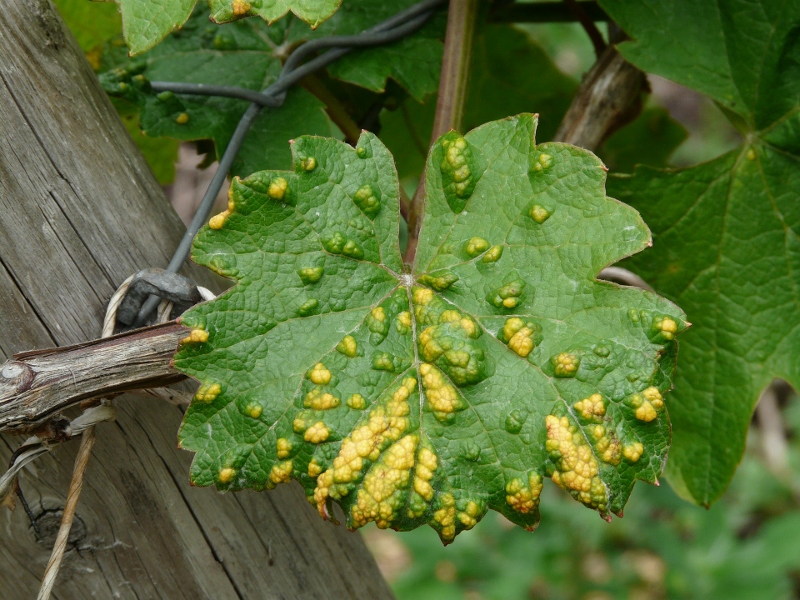
Wine leaf with mite and smallpox infestation | signs of tree problems | Stein Tree

3. Girdling or Circling Roots

One of the more common signs of tree problems is girdling roots. Girdling roots occur when the root system of a tree is constricted and cannot grow outwards away from the tree, cutting off a tree’s vascular system and preventing the flow of water and nutrients. A common sign of girdled roots is a tree that has been planted like a telephone pole instead of having the base flair outwards. You may also see roots sticking out of the ground, late leaf development, small yellow leaves or needles, early leaf drop, and dieback.

4. Branch Dieback

Dieback is the death of branches, twigs, or roots beginning at the tips and eventually working inward to the rest of the tree. Branch or twig dieback is due to poor growing conditions, physical damage and injury to the tree, or pests and diseases. Dieback can be difficult initially to detect with an untrained eye and typically start in the upper canopy: a general growth reduction, early fall yellowing, and defoliation are all signs of tree problems with dieback. As the dieback progresses, you can spot more extensive branch mortality, cankers on the branches, and an increased insect borer presence.

5. Pests & Diseases

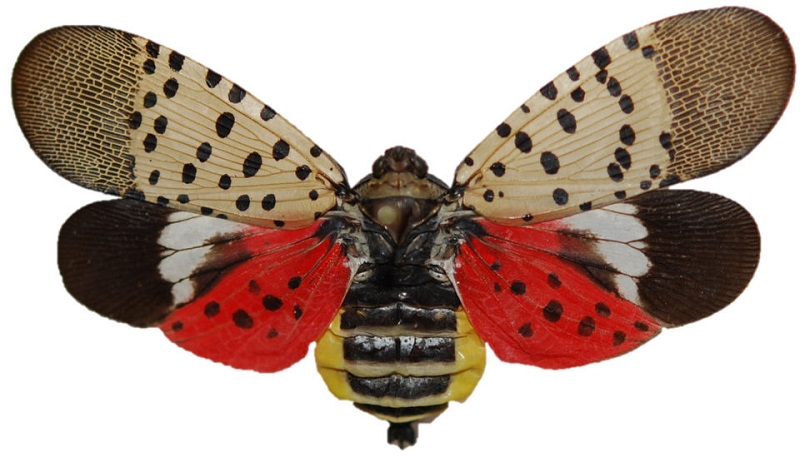
One of the significant issues that trees face is pests and diseases. Some pests, such as the emerald ash borer or spotted lanternfly, can cause massive, even fatal, damage to your trees, which makes them vulnerable to other pests or diseases. Keep in mind that your trees are more susceptible to pests and diseases if they are unhealthy or have been damaged. So the best defense against harmful pests and diseases is to maintain healthy trees.

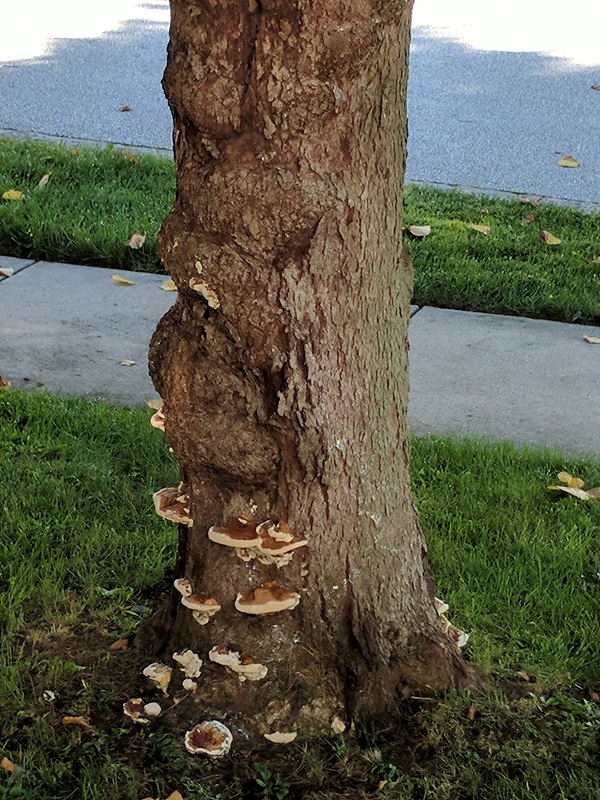
Fungus growing on tree | signs of tree problems | Stein Tree Service

6. Fungi

Tree fungus can appear in many forms, from mushrooms to polypores (large fruiting bodies with pores or tubes on the underside), and while some are safe, others can be harmful to trees. For example, a mushroom in the trunk or on the branches can signify internal decay, while fungus near the roots can indicate root problems. Because of the wide variety of fungi (along with pests and diseases), the best course of action is to contact an arborist who can inspect your trees.

Contact Stein Tree Service to Inspect Your Property for Signs of Tree Problems

Do you want your trees to be healthy and beautiful? Call Stein Tree Service to inspect your property for signs of tree problems. Our team of certified arborists and plant health care specialists provides plant and tree care services to keep your landscape vibrant and healthy. For a free consultation, contact us today.

REQUEST A FREE, NO OBLIGATION CONSULTATION

Featured Programs

Inspect for Emerald Ash Borer infestation - Stein Tree Service - 1000

Spotted Lanternfly Quarantine Areas

Stein has a permit to work in spotted lanternfly quarantine areas in Pennsylvania and Delaware. Tree Service Companies have to be trained in proper moving and disposal of materials to avoid spread of the spotted lanternfly and Stein has completed the training courses.

Read more

Inspect for Emerald Ash Borer infestation - Stein Tree Service - 1000

Emerald Ash Borer Inspection

In the spring, destructive ash borer (EAB) adult beetles begin to emerge.  These invasive pests can destroy your ash trees.  Our specialists are certified to treat for EAP in Pennsylvania and Delaware.  For A free consultation, contact us today.

Read more

Continue reading

West Chester Certified Arborist

West Chester Certified Arborist: The Right Way to Plant Trees

Planting a tree on your property is one of the best things you can do to improve your home’s resale value and curb appeal while enhancing the environment. However, the process involves more than dropping the new plant into a hole to ensure a healthy, thriving tree that lasts for generations. The best time to plant a tree is early spring, so Stein Tree Service’s certified arborist in West Chester, PA explains the right way to plant your new tree.

Tips for Planting New Trees

The right way to plant trees sounds simple on paper, but both you and arborists have to consider plenty of factors to ensure the proper conditions before and during planting. Before you start digging in your yard and planting the tree saplings, here are a few tips to help your planting go smoothly to ensure optimal tree growth.

Before You Dig

The key to the long-term health of your new tree is proper planting and care. Before you even dig a hole, you need to make sure the area is suitable for the tree you are considering. Make sure to consider the height and diameter of the mature tree’s canopy and root system. The taller your tree will be when fully mature, the farther away you should plant from your house.

Next, you need to ensure that the type of soil and pH levels on your property are compatible with the type of tree. You may need to correct the soil accordingly by adding nutrients. A certified arborist can test your soil and advise you if you need to make adjustments.

Whether you are planting the tree personally or hiring a trained professional, you should clearly mark any underground utilities, to avoid hitting the lines with your shovel and to keep the roots from interfering. Call 811 a few days before your planned dig to have someone come out and mark the locations in your area.

When You Plant

Improperly planting your trees can cause several problems. One common issue is a root-bound tree. To prevent this problem:

  • Inspect the root ball before buying and avoid those with tight root spirals.
  • Gently remove unhealthy roots or girdling roots (plant roots growing around the trunk or near the soil surface, which can choke the tree by inhibiting nutrients from reaching the rest of the tree).
  • Aim for a tree with a root ball of 10” to 12″ diameter per every one inch of trunk diameter.

Ensure that the hole is deep enough, and allow a few inches of loosened dirt under the root ball. The soil level should come to the top of the first level of main lateral roots. Pack the soil around the base of the tree and water well (watering can help eliminate air pockets, which inhibit root growth and water movement.) Place a generous layer of mulch around the tree, with a 1-inch depth at the base of the trunk, gaining depth outwardly up to 4 inches.

Certified Arborist West Chester tree sapling

Stein Tree’s Certified Arborists Will Help West Chester Trees Thrive, from Planting to Maturity

Depending on the type and number of trees you want as well as the type of soil in your area, planting trees can seem complicated. To guarantee the best start for your newly planted trees and protect them for years to come, you may want to hire a certified arborist in West Chester for tree care services. Stein Tree Service’s team of extremely knowledgeable and experienced arborists have helped residents and business owners care for their trees and shrubs for over 37 years. For more information on the right way to plant trees or to request a free consultation, contact us today!

REQUEST A FREE, NO OBLIGATION CONSULTATION

Featured Programs

Inspect for Emerald Ash Borer infestation - Stein Tree Service - 1000

Spotted Lanternfly Quarantine Areas

Stein has a permit to work in spotted lanternfly quarantine areas in Pennsylvania and Delaware. Tree Service Companies have to be trained in proper moving and disposal of materials to avoid spread of the spotted lanternfly and Stein has completed the training courses.

Read more

Inspect for Emerald Ash Borer infestation - Stein Tree Service - 1000

Emerald Ash Borer Inspection

In the spring, destructive ash borer (EAB) adult beetles begin to emerge.  These invasive pests can destroy your ash trees.  Our specialists are certified to treat for EAB in Pennsylvania and Delaware.  For A free consultation, contact us today.
Read more

Continue reading

tree care - dormant tree - Stein

What Does Dormancy Have to do With Good Tree Care in Wilmington, DE?

Plant dormancy is a state of “sleep” or inactivity for plants and trees in the winter. This aspect of trees’ life cycle helps them survive the harsh winter weather, such as the freezing temperatures and frigid wind. Those who specialize in tree care in Wilmington, DE, are well versed in the subject of dormancy because often, trees must be pruned or inspected during winter dormancy for best results.

You might be surprised to learn that some activity does occur during the colder months. Processes such as plant growth are typically slowed down, so plants require less nutrients and water to survive. Root growth and some other internal processes still take place.

See Our Residential Tree Care Services

Preparing for Dormancy

Dormancy occurs when trees begin receiving less light and experience temperature drops. These changes in environmental conditions allow trees to “know” that winter is coming and begin to prepare. Trees take their remaining nutrients and begin to seal themselves off from their leaves before dropping them in the fall. Leaves in certain plant species (such as deciduous trees) fall due to plant hormones producing chemicals that signal the leaves to break off. These hormonal chemicals also prevent cell division and cause trees to stop growing.

This process allows the tree to conserve energy and lowers its need for water and nutrients. Mulching in the fall helps insulate a tree and reduce moisture loss during winter dormancy.

During Dormancy

For most trees, this time of rest is the best time for pruning. Trees are less likely to be “shocked” by the activity and wounded limbs. Pruning also helps prevent potential dangers that weak or damaged branches pose, especially during strong winter winds. Any wounds from trimming and pruning will heal more quickly since the tree is expending no energy on new growth, so the tree will be less likely to become infected from disease or insects. In addition, since the ground is frozen, less trauma due to compaction occurs.

Inspection during winter and spring dormancy is a great idea because tree professionals can more easily see the tree structure and unobscured bark. Areas of decay or injury will be more easily recognized.

Evergreen trees experience dormancy as well but in a different way. Their needles become coated with a heavy waxy substance that prevents them from losing moisture. In addition, they have a chemical inside that helps them resist freezing.

tree care in Wilmington, DE

Post Dormancy

As the winter nears its end, trees are exposed to warmer temperatures, even in short interludes, and they begin to have increased activity. Sometimes you will see budding and may worry about early blooming. However, trees are equipped to handle warming during these brief periods of time before the actual advent of summer. As days become longer and the air and ground begin to warm, trees are able to recognize that their growth period has arrived again.

Trust Stein Tree for Your Tree Care in Wilmington, DE

Stein Tree Service performs inspections, tree pruning or removal, pest treatment, and other tree care in Wilmington, DE area and Pennsylvania. Our certified arborists and tree care specialists take great care to make sure your trees thrive after their dormancy. For information about our services or to schedule a free consultation, contact us today.
REQUEST A FREE, NO OBLIGATION CONSULTATION

Featured Programs

Inspect for Emerald Ash Borer infestation - Stein Tree Service - 1000

Spotted Lanternfly Quarantine Areas

Stein has a permit to work in spotted lanternfly quarantine areas in Pennsylvania and Delaware. Tree Service Companies have to be trained in proper moving and disposal of materials to avoid spread of the spotted lanternfly and Stein has completed the training courses.

Read more

Inspect for Emerald Ash Borer infestation - Stein Tree Service - 1000

Emerald Ash Borer Inspection

In the spring, destructive ash borer (EAB) adult beetles begin to emerge.  These invasive pests can destroy your ash trees.  Our specialists are certified to treat for EAB in Pennsylvania and Delaware.  For A free consultation, contact us today.
Read more

Continue reading

Tree Care in Newark, DE: Winter Tree Problems

Tree care in Newark, DE is an all-year activity. During winters in the Northeast, many species of trees and shrubs go dormant and stop producing new branch and leaf growth. In some ways, this dormancy is similar to certain mammals, such as grizzly bears that hibernate throughout the coldest months and wait for the spring to jump back into activity. However, trees are unlike these animals in that they are unable to move to a safe and snug hideaway and are often exposed to the most intense of weather conditions, which can lead to winter tree problems.

Continue reading

winter tree care in West Chester PA - winter yard - Stein Tree Service

Winter Tree Care Reminders for West Chester, PA Residents

Winter is here in all its chilly glory and we have already had some snowy weather. While you may be tempted to stay indoors this season, remember that your trees are subject to winter’s harshness and cold temperatures, and protecting them is part of good winter tree care in West Chester, PA. Such protection is especially needed in a winter such as the one we are experiencing, which promises to bring more snow and ice our way. The inclement winter weather can cause stress on trees, particularly young, newly planted, or recently transplanted trees. The following are some reminders of important winter tree care tips we recommend for our West Chester, PA neighbors.

Important Winter Tree Care Tips

If you want to protect your trees and shrubs during winter, you should know a few helpful winter tree care tips. These tips will help your trees remain healthy, better withstand the winter weather, and look beautiful once the warmer weather of spring arrives.

See Our Residential Tree Care Services 

1. Mulch Around Trees

Adding a fresh layer of organic mulch around the tree’s base underneath the drip line is advisable, but avoid piling mulch directly against the trunk. The mulch will insulate the tree’s soil and tree roots to protect against temperature extremes and cold weather. Mulch also slows water loss from the soil to help avoid moisture loss.

2. Protect Young Tree Trunks

The winter dormancy of grasses and flowering plants forces rabbits, voles, and other rodents to seek other food sources. One common winter food for these types of animals is soft tree bark. They can often be found during winter gnawing on the bark of young trees and exposing the inner wood to the elements. Protect your young or newly planted trees from these gnashing teeth by wrapping trunks with plastic tree guards. For those West Chester, PA residents who have bigger pests, like deer, you can use tall chicken wire as a tree wrap.

3. Clear Limbs of Heavy Snowfall

After a heavy snowfall, go out and clear off any accumulated snow from tree branches to help prevent the weight of snow from cracking and breaking limbs. If you have young branches with heavy icicles, you can use a garden hose connected to a hot water faucet to spray and slowly melt off the weight. If you use this method, take care to avoid burning the tree.

4. Have Trees Pruned or Trimmed

Pruning and trimming is an essential part of winter tree care that maintains tree health. Weak tree branches and canopies that are overfull can cause damage to property or people if strong storms cause them to fall. If you missed the chance to have pruning done in the fall, winter is still a great time. In some cases, winter is even better because your tree care specialist can better see the tree structure and any trunk problems that could indicate issues for your tree.

Contact Stein Tree Service to Learn More about Winter Tree Care in West Chester,PA

Have questions about winter tree care and want to protect your trees? Contact Stein Tree Service’s professional arborists today for advice. We are happy to answer your questions, and we offer a free consultation with our certified arborists. Stein Tree Service is the oldest independently owned tree care company in Delaware, and we are passionate about tree care!

Winter is here in all its chilly glory and we have already had some snowy weather. While you may be tempted to stay indoors this season, remember that your trees are subject to winter’s harshness and cold temperatures, and protecting them is part of good winter tree care in West Chester, PA. Such protection is especially needed in a winter such as the one we are experiencing, which promises to bring more snow and ice our way. The inclement winter weather can cause stress on trees, particularly young, newly planted, or recently transplanted trees. The following are some reminders of important winter tree care tips we recommend for our West Chester, PA neighbors.

Important Winter Tree Care Tips

winter tree care in West-Chester PA-Stein-Tree-Service

Shrubs that Create Interest in Winter – Enjoy the View and Get Your List Ready for Spring Planting and Tree Care in West Chester, PA

Winter has a delicate beauty. The deep browns of bare trees, muted greens and grays of frozen ground, and cool whites of snowfall combine to create a subdued color palette. This quieter landscape offers great inspiration for those gardeners and homeowners who want to show off a touch of flair through winter-flowering shrubs. Winter shrubs with bright blooms and sweet scents, colorful berries, and textured, glossy green foliage are perfect for sparking winter interest and creating a nice contrast to the cooler winter landscape. For those interested in tree care in West Chester, PA., take a quick look at some favorite shrubs that create interest in winter.

  • Winterberry. Winterberry Holly (Ilex verticillata) is a deciduous holly that loses its dark green leaves in late fall and leaves behind long, spectacular sprays of fire-engine-red berries. Sometimes called ‘sparkleberry,’ this fantastic holly specimen’s bright red berries are real attention-getters in winter.
  • Witch hazel. Witch hazel is another deciduous shrub with keen winter attributes. During even the harshest fall and winter weather in West Chester, PA, this shrub will dazzle passersby with its clusters of rich red and yellow flowers. But the blaze-like beauty of its petals is just half of the appeal as witch hazel shrubs also emit a lovely fragrance, a very desirable surprise during the frozen days of winter.
  • Red Osier Dogwood. This North American shrub, sometimes called Red Twig Dogwood, is incredibly hardy, known to grow and thrive as far north as Alaska. This dogwood features red stems and brilliant, fiery branches of gold, orange, and red in winter, an incredible array of colors that make it a great complement to evergreen landscapes. Plus, this shrub has the added benefit of attracting a host of pollinating butterflies, including the eastern-tailed blue butterfly. The richest of the dogwood’s twig colors occurs on young branches, and so part of the tree care in West Chester, PA for this species should include regular pruning between late winter and early spring.
  • Leatherleaf Mahonia. Mahonia is a hardy and adaptable evergreen shrub native to China but has since come to many American gardens. During the winter months, bright yellowish-green buds erupt from the tips of the shrub’s stems, and each new growth blooms into a dozen or more spires of bright yellow flowers. In warmer winters, gardeners can expect to enjoy a nice early fragrance to break up the monotony of winter. Note though that the leather mahonia is a self-sowing plant that is non-native to the Americas, so proper tree care in West Chester, PA is important to prevent the unwanted spreading of the species.

Contact Stein Tree Service to Learn More about Winter Tree Care in West Chester, PA

You can always add some shrubs that create interest in winter to your lawn for added beauty. Start planning your spring planting and tree and lawn care now. Contact us for information about tree care in West Chester, PA, winter tree trimming and pruning, or a free consultation about your tree or plant health care.